

Hitting Snooze? Here’s Why I Changed My Mind
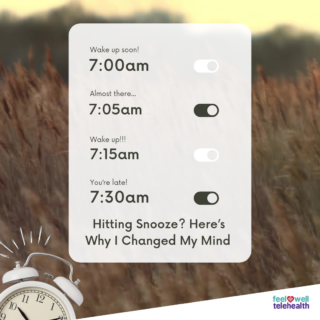 Is setting the alarm to your exact wake-up time the best way to feel rested? I used to think so. Hitting snooze felt like a waste for me, like trading 10–15 minutes of real sleep for something less valuable. I wanted to maximize every possible minute of “real” sleep.
But now I understand that those extra minutes after the alarm goes off aren’t as pointless as I once thought. In fact, the snoozing window can offer surprising benefits for some people.
The snooze button controversy goes beyond a simple yes or no answer. Sleep is a complex science and achieving quality rest depends on individual needs and patterns. Some people may benefit from a brief snooze, while others feel more refreshed by getting up immediately.
Here are 3 pros and cons for using the snooze button:
Pros:
- It may reduce morning stress by allowing 5–10 extra minutes for you to transition from sleep to wakefulness, as long as it doesn’t create time pressure later.
- One or two 5-minute intervals may keep you in lighter stages of sleep rather than dropping back into deep sleep. Waking from lighter sleep is associated with less grogginess and a clearer head.
- Snoozing is particularly beneficial if you’re a night owl who struggles to wake up, helping your transition to alertness.
Cons:
- Repeated alarms may increase stress hormones and disrupt your natural rhythm.
- If snooze periods are too long you risk re-entering deeper sleep cycles, which can worsen sleep inertia and leave you feeling more fatigued.
- Repeatedly hitting snooze for long stretches can fragment your sleep and leave you feeling more tired.
If you consistently need multiple alarms or feel exhausted when they go off, it may be a sign you need more sleep, not just more snooze time.
A few extra minutes in bed won’t rebalance your hormones disrupted by sleep deprivation. For instance, cortisol (energy), melatonin (sleep), and leptin/ghrelin (appetite/hunger) need sufficient total sleep for proper balance.
Ultimately, the snooze button isn’t inherently bad, but it’s not a substitute for adequate sleep. Research shows that most adults need 7–9 hours of sleep per night for optimal health.
Of course, the healthiest wake-up routine may be the one without an alarm. Waking on your terms—not on demand.
But if you need an alarm and a brief snooze helps you wake up feeling calmer and more centered, it’s a habit worth keeping. Just make sure you plan enough time for your morning routine, accounting for your snoozing time.
Wellness isn’t about strict rules. It’s about small adjustments that make your day feel better.
Improving your health is easier with the right support. I’m here to help you create a plan that fits your unique preferences and goals.
Click here to schedule your free visit 😊 https://feelwelltelehealth.com/contact-us/